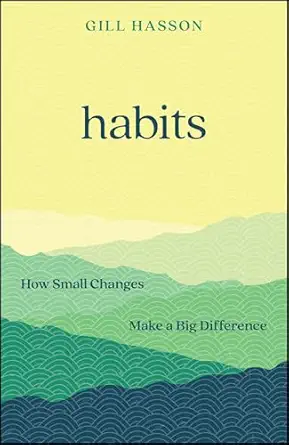
Habits: How Small Changes Make a Big Difference
By Gill Hasson
Core Book Summary
Habits: How Small Changes Make a Big Difference by Gill Hasson (published by John Wiley & Sons) is a highly practical and actionable guide focused on understanding, building, and sustaining positive routines while breaking free from negative behavioral loops. The book revolves around the idea that massive life changes do not come from giant, overnight overhauls, but rather from the compounding effect of tiny, manageable adjustments to our daily routines. Hasson introduces the critical concept of 'foundational habits'—core behaviors related to sleep, diet, and physical movement that create a strong baseline for overall health. When these foundational habits are solid, it becomes exponentially easier to build other complex habits on top of them. The book provides a systematic approach to turning intentions into actions. It heavily emphasizes the strategy of 'starting small to grow big,' preventing the burnout and failure that usually follow overly ambitious goal-setting. Hasson explains the power of 'habit chains' (often known as habit stacking), where you link a new desired behavior to an already established routine to ensure consistency. Furthermore, the book addresses the psychological aspects of behavior change, such as the role of identity and the massive influence that our physical environment and social circles have on our choices. In its later sections, Habits tackles the modern challenges of breaking deeply ingrained bad habits—such as excessive screen time, mindless snacking, and impulse shopping. Hasson provides clear, relatable strategies to overcome these obstacles, helping readers to identify their triggers and regain control. It is an essential read for anyone tired of slipping into unhealthy routines and looking for sustainable, realistic steps to live a life with more intention and well-being.
Key Takeaways
- Foundational Habits: Start by establishing core routines related to sleep, nutrition, and exercise. A strong foundation makes it significantly easier to build and sustain all other habits in your life.
- Start Small to Grow Big: Avoid the trap of setting overly ambitious goals. Break your desired habit down into the smallest, easiest possible step to minimize resistance and guarantee consistency.
- The Power of Habit Chains: Link your new habit to an existing routine. For example, if you want to start meditating, do it immediately after your established daily habit of brushing your teeth.
- Design Your Environment: Willpower is unreliable. Alter your physical surroundings to make good habits easy and bad habits difficult (e.g., keep healthy snacks visible and hide the junk food).
- Address Modern Distractions: Actively work to break contemporary bad habits like mindless screen scrolling and impulse shopping by introducing intentional friction into these activities.
- Identity-Based Change: True behavior change happens when you shift how you see yourself. Don't just aim to read a book; aim to become a 'reader'. Your identity drives your long-term actions.
- Focus on Enjoyment and Rewards: Habits only stick if the brain perceives a reward. Ensure that you celebrate your small wins and find ways to make the habit-building process enjoyable.
- The Influence of People: You absorb the habits of the people around you. Surround yourself with individuals who model the positive behaviors and lifestyle you want to achieve.
- Reflect and Adjust: Don't expect perfection. Regularly review your progress, identify what is causing you to stumble, and adjust your approach without harsh self-judgment or guilt.
- Turn Intentions into Actions: Stop waiting for the 'perfect time' or endless motivation. Make a specific plan (when, where, and how) and take immediate, tiny actions to build unstoppable momentum.