The phrase “last-mile delivery” has long represented the most inefficient, costly, and carbon-intensive segment of global supply chains. Navigating dense urban traffic, stopping at individual residential doorways, and managing fluctuating parcel volumes challenge traditional courier networks daily.
Today, advances in computer vision, lightweight carbon-composite materials, and real-time fleet management software are revolutionizing how physical goods move from regional fulfillment hubs into the hands of consumers. Autonomous electric delivery rovers and vertical-takeoff-and-landing (VTOL) cargo drones are reshaping urban logistics.
Inside the Automated Fulfillment Center
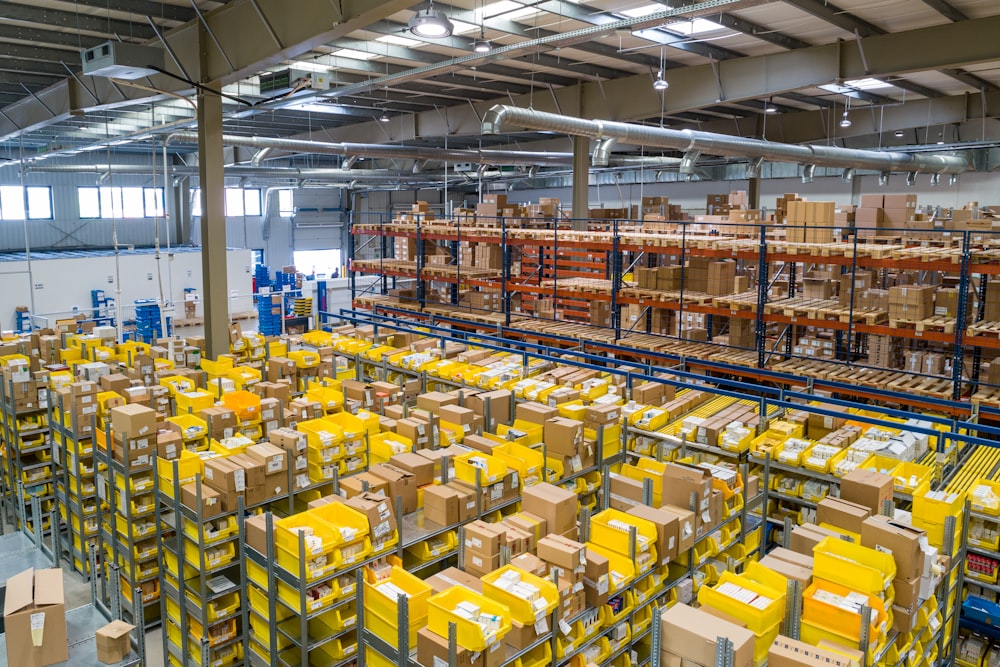
Modern warehouses bear little resemblance to the dusty, fork-lifted storage sheds of the past. Autonomous Mobile Robots (AMRs) glide smoothly across high-bay storage floors, lifting entire inventory pods and bringing them directly to human packing stations using swarm-intelligence algorithms.
By eliminating the need for workers to walk kilometers across concrete floors searching for items, automated fulfillment centers increase sorting speed threefold while reducing error rates to near-zero margins.
“Logistics is no longer just about trucks and warehouses; it is an exercise in real-time robotics and predictive software coordination.” — Supply Chain Review
Navigating Regulatory and Airspace Challenges
While aerial delivery drones can bypass street traffic entirely to drop medical supplies, urgent prescriptions, and small parcels in minutes, scaling the technology requires sophisticated Unmanned Traffic Management (UTM) systems. These digital air-traffic networks ensure drones maintain safe separation from each other, emergency helicopters, and urban infrastructure.