Think about the everyday idioms we use across almost every human language when describing strong emotions: we talk about having *“butterflies in the stomach”* before a big presentation, feeling a *“gut-wrenching”* disappointment, trusting a *“gut instinct”* when making a decision, or finding an experience hard to *“stomach.”* For centuries, Western medicine dismissed these phrases as mere poetic metaphors. The brain up inside the skull was viewed as the sole commander of thoughts and feelings, while the gastrointestinal tract was treated as a simple, unthinking plumbing pipe designed to dissolve food and absorb calories.
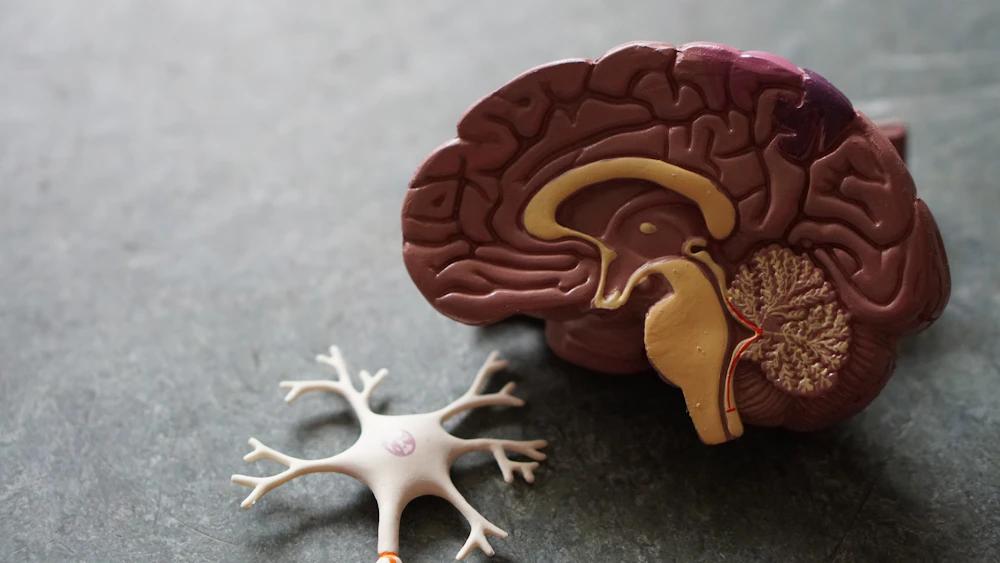
Over the past two decades, a revolution in neurogastroenterology and microbiology has flipped that view upside down. Scientists discovered that lining the walls of your esophagus, stomach, small intestine, and colon is an intricate mesh of 500 million neurons—more nerve cells than exist in the entire spinal cord or the brain of a cat. Known scientifically as the Enteric Nervous System (ENS), this “Second Brain” does not just take orders from your head; it sends far more signals *up* to your brain than your brain sends down to it.
Even more astonishing, your Second Brain is not alone. Living inside your lower digestive tract is a bustling rainforest of 38 trillion bacteria, fungi, and viruses collectively known as the gut microbiome—and those microscopic passengers are actively manufacturing the very neurotransmitters that regulate your mood, stress resilience, and mental clarity.
The Vagus Nerve: A Two-Way Superhighway
How does a bacterium living in your colon communicate with the prefrontal cortex or amygdala inside your skull? The primary physical cable connecting your two brains is the vagus nerve—the longest cranial nerve in the human body, wandering from the brainstem down through the neck and chest to wrap around the digestive organs.
When anatomists measured the traffic flowing through the vagus nerve, they uncovered a stunning asymmetry: roughly 80% to 90% of the nerve fibers in the vagus nerve are afferent (sensory)—carrying information upward from the gut to the brain, while only 10% to 20% carry commands downward from the brain to the gut.
“Your brain is listening to your gut twenty-four hours a day. When the ecosystem in the gut is inflamed or depleted, the brain interprets that distress signal as anxiety, fatigue, or low mood.” — Neurogastroenterology Review
Beside the electrical superhighway of the vagus nerve, the gut and brain communicate through two additional channels:
- The Neurochemical Factory: Ask most people where the mood-regulating neurotransmitter serotonin is made, and they will point to their head. In reality, roughly 90% to 95% of your body’s total serotonin—and sekitar 50% of its dopamine—is synthesized right inside your gut by specialized enterochromaffin cells stimulated by beneficial gut bacteria. Microbes also produce GABA (gamma-aminobutyric acid), the nervous system’s primary calming brake pedal that quiets anxious neural firing.
- The Immune & Inflammatory Channel: Fully 70% of your body’s entire immune system resides in the lymphoid tissue surrounding your gut wall. When a poor diet, chronic stress, or lack of fiber weakens the gut’s protective mucus barrier, bacterial toxins called lipopolysaccharides (LPS) leak into the bloodstream, triggering low-grade systemic inflammation and inflammatory cytokines that cross the blood-brain barrier and produce “brain fog” and lethargy.
The Magic of Short-Chain Fatty Acids (SCFAs)
What do your beneficial gut microbes actually eat? When you eat simple refined sugars and ultra-processed flour, those molecules are absorbed rapidly in the upper small intestine—spiking your blood glucose while leaving the trillions of microbes down in your large intestine starving.
What your microbiome craves is prebiotic dietary fiber and resistant starch—complex plant carbohydrates found in whole lentils, chickpeas, oats, leafy greens (*palak, methi*), gourds, onions, garlic, and seeds that human digestive enzymes cannot break down on their own. When these fibers reach your colon, beneficial bacteria ferment them and produce miraculous metabolic compounds called Short-Chain Fatty Acids (SCFAs)—specifically butyrate, propionate, and acetate.
Butyrate is a biological multitool for human health:
- Sealing the Gut Barrier: Butyrate is the primary fuel source for the cells lining your colon, keeping the tight junctions between cells sealed so toxins cannot leak into your blood.
- Cooling Brain Inflammation: Butyrate enters the bloodstream, crosses the blood-brain barrier, calms overactive microglia (the brain’s immune cells), and stimulates the production of BDNF (Brain-Derived Neurotrophic Factor)—often called “Miracle-Gro for the brain” because it promotes the growth of new synapses in the hippocampus.
4 Evidence-Based Habits to Nourish Your Gut-Brain Axis
- Aim for Diversity of Plants (The 30-Plant Rule): Large-scale citizen science initiatives like the American and British Gut Projects found that the single strongest predictor of a resilient, diverse microbiome is not following a rigid fad diet, but eating 25 to 30 different types of plant foods per week—counting every distinct vegetable, pulse/dal, whole grain, nut, seed, fruit, and culinary spice (turmeric, cumin, coriander, ginger, fenugreek).
- Include Traditional Fermented Foods Daily: A landmark Stanford University clinical trial led by Dr. Justin Sonnenburg and Dr. Christopher Gardner found that eating small daily servings of live fermented foods—such as homemade curd/dahi, buttermilk (*chaas*), fermented batters (*idli/dosa*), or pickled vegetables—measurably increased microbial diversity and lowered 19 distinct inflammatory proteins in the blood within just ten weeks.
- Feed Your Microbes Prebiotic Fiber at Every Meal: Pair every meal with soluble and insoluble plant fibers (leafy greens, gourds, legumes, and whole husks). When beneficial bacteria have plenty of fiber to ferment into butyrate, they outcompete harmful strains naturally.
- Stimulate Vagal Tone Through Slow Breathing: Because the vagus nerve is a two-way street, chronic psychological stress shuts down digestion and alters gut bacteria within hours. Taking six slow, deep diaphragmatic breaths before eating—making your exhale longer than your inhale—activates the parasympathetic “rest and digest” response, priming your Second Brain for optimal digestion.