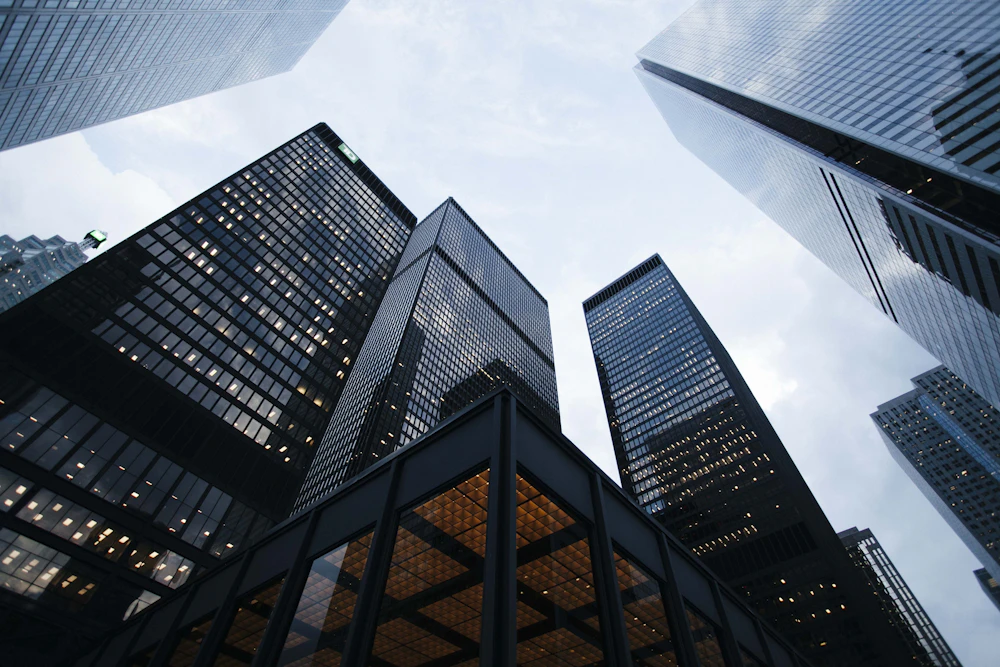
Walk across a sprawling concrete parking lot or an asphalt highway on a cloudless summer afternoon, and you can feel the oppressive heat radiating upward. Because dark, impervious building materials absorb and store solar radiation during the day and release it slowly at night, densely built metropolitan areas routinely experience the Urban Heat Island (UHI) effect—making cities several degrees hotter than surrounding rural countryside.
As extreme heatwaves become more frequent worldwide, municipal governments and architects are redesigning urban landscapes using biophilic principles—integrating living nature, shade corridors, and high-albedo reflective materials into the built environment.
Cool Roofs and High-Albedo Surfaces
One of the simplest and most cost-effective interventions against urban heat is painting traditional dark rooftops with high-albedo white or specialized reflective coatings.
While standard black tar roofs absorb over 85 percent of sunlight, cool roofs reflect up to 80 percent of solar radiation back into space, keeping indoor temperatures lower and reducing reliance on energy-hungry air conditioning units.
“The cities of tomorrow will not be monuments to concrete and glass; they will be living, breathing ecosystems interwoven with shade and foliage.” — Urban Planning Review
Vertical Forests and Pocket Parks
Architects are also pioneering vertical forests—multi-story residential and commercial towers embedded with hundreds of trees and thousands of shrubs irrigated by smart graywater recycling systems. These living facades provide natural evaporative cooling, filter airborne particulate pollution, and restore urban biodiversity for birds and pollinators.